
Practice News
Most of us know milk is an important part of a child’s diet because it provides high quality protein, fats, and necessary
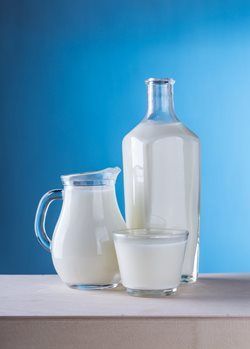
Most of us know milk is an important part of a child’s diet because it provides high quality protein, fats, and necessary vitamins and minerals like calcium and vitamin D for bone development. Young children, ages 1-2 years, in particular benefit from whole milk which offers a high fat content for brain development. Switching to a lower fat or non-fat milk can be considered for most children after age 2 if their growth is steady.
What is a family to do when their child doesn’t “like” milk? This is a common topic at well child visits. The good news is there are many milk alternatives.
- Soy milk is the closest alternative milk to whole cow’s milk. It has similar protein, fat, calcium and Vitamin D levels.
- Ripple kids milk is a pea based protein milk that is 100% vegan and also has similar protein, fat, calcium and Vitamin D levels. Ripple milk is an excellent choice for a child with severe milk allergy, this choice should be discussed with their allergist.
- Lactaid milk is considered an alternate milk for a child with lactose intolerance.
- There are other alternative milks like Rice, Coconut, Almond, Oat and Hemp milk but they do not contain the same level protein or fat necessary for young children. These milks maybe appropriate for an older child who doesn’t require the same amount of fat for development and has other sources of protein in their diet.
If considering an alternate to cow’s milk be sure to check labels carefully. Many alternative milks have added sugars to enhance flavoring. Extra sugars can add to unnecessary weight gain.
If your child will simply not drink any milk they can get their calcium and Vitamin D from other sources. They can get calcium and Vitamin D from fortified orange juice, fortified breads and cereals. Calcium is found in eggs, yogurt, cheese, broccoli, kale, tofu, beans, figs, prunes, hummus, almond butter. Vitamin D is naturally made by the body in response to sun exposure, supplements maybe considered for some children.
The important take away is if your child is not drinking 16-20 oz of milk per day, consider alternative sources for calcium and Vitamin D as well as other protein sources to allow for healthy development.
Resources for more information:
By Julie Shubert, MSN, CRNP
Posted 3/20/2022